From Zoo Enclosure to Global Meme
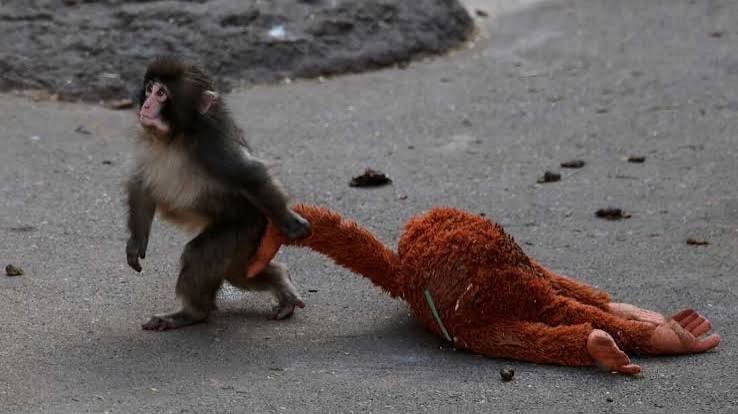
It’s a story that could only happen on the internet. Punch’s journey from a lonely, abandoned baby macaque to a worldwide star started with just a few shaky videos filmed by zookeepers and visitors at the Ichikawa City Zoo. Nobody planned for this to go viral. The clips just showed a tiny monkey getting pushed around by the older troop, and then running to a stuffed orangutan toy to hide. It was raw, sad, and honestly, just so human.
When those videos made their way to Japanese Twitter, people immediately connected with him. But things really blew up once the clips hit TikTok, Instagram, and X. Suddenly, millions of people were watching this little guy drag his plush toy around, and they were totally hooked.
The "Punch Monkey" searches exploded. Google even got in on it with a hidden Easter egg where little hearts and monkeys pop up on your screen. The hype got crazy in the real world, too. That $20 IKEA orangutan toy sold out everywhere, and people were paying over $350 on eBay just to get one. IKEA ended up donating a bunch of the toys to the zoo, and huge crowds started showing up in Japan just to see him.
But going viral isn't all fun and games. People started using Punch for clicks, and fake AI videos of him started floating around online. The zoo had to step in and remind everyone that he’s a real animal, not a cartoon character.
The truth is, Punch’s story isn't a perfect fairy tale. It's a story about struggling. He’s not some superhero; he’s just a baby dealt a bad hand, trying his best. He gets pushed down, runs to his toy, and then tries again. It’s messy and painful, but it’s real. And that's exactly why everyone is rooting for him.
What Punch Teaches Us About Comfort, Resilience, and Belonging
Look, the whole Punch Monkey phenomenon isn't really about a monkey. It's about us. We live in a world that feels exhausting and divided most of the time. Then along comes this little guy—abandoned, scared, just clinging to a stuffed toy. It was a simple story about a small creature trying to find his place, and people latched onto it immediately.
If you scroll through the comments, the honesty is almost jarring. "Punch is us," one Instagram post read. "In every shy glance and every brave step, we see ourselves." It’s a weird kind of escapism, but watching him heal is genuinely comforting. By late February 2026, the zoo shared some good news: Punch was finally playing with the other monkeys, eating on his own, and even hitching a ride on someone's back. That plush toy went from being his survival lifeline to just a regular comfort object. He's learning how to be a monkey, and it's been a slow, tough process.
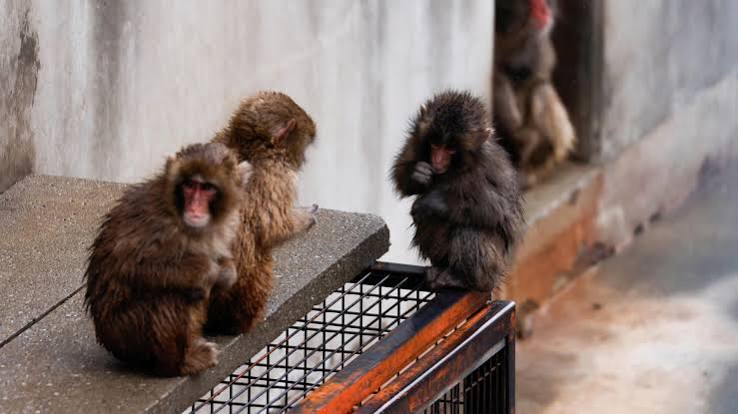
To be fair, the zoo has been trying hard to keep it real. They've had to remind everyone that this isn't a Disney movie. The "bullying" people were freaking out about online? That's just normal monkey discipline. A mom protecting her baby, an older macaque putting a newcomer in his place—it's how their society has worked for thousands of years. Punch wasn't being hated; he was just being socialized the hard way.
But even knowing that, you can't help but feel for the guy. Because whether you're a macaque or a human, feeling like you don't belong sucks. We all know what it's like to get pushed away and just want to hold onto something safe. That's why his story hits so hard. It’s about loneliness, finding comfort, and the messy process of learning to fit in.
Punch's story isn't over yet. He's not some hero or a victim—he's just a young monkey trying to figure out his world while millions of strangers cheer him on. And honestly? Maybe that's exactly what we all needed to see.